Unraveling the Myths: 7 Facts About Tulips That Might Surprise You
Posted on 22/08/2025
Unraveling the Myths: 7 Facts About Tulips That Might Surprise You
Tulips are among the most vibrant and cherished flowers in gardens and bouquets worldwide. However, despite their popularity, several myths and misconceptions cloud their true nature. In this comprehensive article, we'll separate fact from fiction and delve into seven surprising truths about tulips, giving you a deeper appreciation for these iconic springtime blooms.
What Are Tulips? An Overview of Their Origin
Tulips belong to the Liliaceae family and stand as symbols of love, rebirth, and prosperity in many cultures. While popularly associated with Dutch landscapes, their history is more layered and cosmopolitan than many realize. Understanding tulips requires a look into their origins and stunning journey across continents.
The Surprising Origin Story of Tulips
Tulips did not originate in the Netherlands as some erroneously believe. In fact, these colorful flowers have their roots in Central Asia, specifically in regions now part of modern-day Kazakhstan, Iran, and the Himalayas. They were cultivated by the Turks as early as the 10th century.
- Fact: The name "tulip" is believed to have derived from the Persian word for "turban," possibly due to the flower's resemblance to the headdress.
- Discovery: Tulips first gained international fame in the Ottoman Empire before Dutch horticulturists began their large-scale cultivation in the 16th century.
The myth of the Dutch origin is just the beginning of the misconceptions surrounding tulips.
1. Tulips Sparked the World's First Economic Bubble
"Tulip Mania" is a term often invoked to illustrate economic bubbles, but the real story is more nuanced. During the 1630s in the Netherlands, demand for rare and uniquely patterned tulip bulbs soared, leading to prices that briefly exceeded the average annual incomes of skilled workers.
- At the height of tulip mania, a single bulb could fetch the price of a luxurious canal house in Amsterdam.
- Contrary to popular belief, the economic fallout was largely limited to a specific class of speculators and did not devastate the overall Dutch economy.
- The phenomenon did, however, cement tulips as a cultural symbol of fleeting luxury and economic caution.
Tulip mania remains a classic cautionary tale in economic history, illustrating how beauty and rarity can drive human behavior and financial speculation.
2. There Are Over 3,000 Varieties of Tulips
When you think of tulips, maybe you picture the classic red or yellow bloom. In reality, tulips come in an astonishing array of shapes, sizes, and colors.
- Fact: Over 3,000 registered varieties of tulips exist worldwide, divided among 15 official groups classified by bloom time, shape, and genetic origin.
- Varieties include Single Early, Double Late, Fringed, Parrot, and Rembrandt tulips, each displaying unique traits.
- New hybrids and cultivars are introduced every year by dedicated breeders.
Diversity in tulips means that whether you want a classic bouquet or a garden showpiece, there's a variety guaranteed to catch your eye.
3. Tulips Have a Language of Their Own
Tulips are not just pretty faces--they convey specific meanings and messages, a tradition dating back hundreds of years. In the Victorian era and beyond, flowers were used to express feelings people might be too shy to say aloud.
- Red tulips: Symbolize deep love and passion.
- Yellow tulips: Traditionally represented hopeless love, but today often convey cheerful thoughts and sunshine.
- White tulips: Stand for purity, forgiveness, and respect.
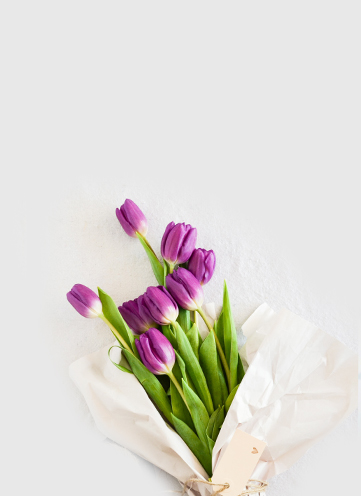
- Purple tulips: Signify royalty and admiration.
- Stripe-patterned tulips: Initially represented insight into someone's beautiful eyes.
The meaning of tulips adds depth to their popularity as gifts and ornamental flowers.
4. Tulips Are Edible--But Should You Eat Them?
Tulip petals have been used in cuisine during times of hardship and even in high-end gastronomy. During World War II, when food shortages plagued the Netherlands, people resorted to eating tulip bulbs to stave off hunger.
- Edibility: Tulip petals can add color to salads and desserts, and some are compared to the flavor of lettuce or peas.
- However, caution is necessary: Some people are allergic, and the bulbs have toxic compounds that can cause illness if not prepared properly.
- Modern chefs sometimes use tulip petals for edible decoration in gourmet dishes.
If you're tempted to try tulips, ensure they're pesticide-free and stick to the petals. Avoid consuming bulbs unless advised by an expert.
5. Tulips Bloom Early and Bring Hope After Winter
Another fascinating fact about tulips is their tendency to bloom early in the year. Their vibrant colors burst forth while other flowers are still dormant, making them one of the first signs of spring.
- Tulips typically bloom from late March to early May, depending on region and variety.
- They require a chilling period during winter to thrive--planting in the fall is essential to spring blossoms.
- For many cultures, the appearance of tulips symbolizes hope, renewal, and the end of winter's gloom.
Spring tulips are not only beautiful but also carry emotional significance for many gardening enthusiasts.
6. Tulips Can Mutate into Exquisite Patterns
Some of the most breathtaking tulip varieties are famous for their intricate stripes and "feathered" effects. These spectacular patterns sparked 'tulip mania' in the 17th century, as collectors prized unusual blooms above all.
- The cause of rare patterns: A viral infection called the tulip-breaking virus causes the pigments in the petals to 'break,' resulting in vivid streaks and flames of color.
- This mutation was initially a mystery--growers once believed soil, seeds, or weather were responsible.
- While infected flowers are visually stunning, the virus weakens the bulb, making the patterns both attractive and tragic.
Modern breeders use selective hybridization to create similar patterns without viral infection, safeguarding both the aesthetics and health of the tulip.
7. Tulip Gardens Around the World: Icons of Beauty
The Netherlands remains famous for its magnificent tulip fields, but these beloved blooms enchant garden enthusiasts worldwide. Tulip festivals draw visitors from every continent who come to witness the breathtaking carpets of color.
- Keukenhof in the Netherlands features over 7 million tulip bulbs annually, making it the world's largest flower garden.
- Canada celebrates Ottawa Tulip Festival each spring, born from a historic royal gift after World War II.
- Other noteworthy tulip showcases include the Istanbul Tulip Festival and gardens in Japan, India, and the USA.
Tulip events aren't just beautiful--they're celebrations of culture, history, and community, underscoring the flower's impact on the world.
Growing Tulips: Tips for Gardeners
If these facts have inspired you to plant tulips in your garden, you'll want to give them the best care possible. Here are some essential tips:
- Planting Time: Plant tulip bulbs in the fall, about 6-8 weeks before the first frost.
- Depth and Spacing: Place bulbs 6-8 inches deep and space them 4-6 inches apart for optimal growth.
- Soil and Sun: Choose a location with well-drained soil and full to partial sun.
- Watering: After planting, water them thoroughly. Tulips generally require little watering once established, except during dry spells.
- Post-Bloom Care: Allow the leaves to die back naturally after blooming--this fuels next year's blossoms.
With a bit of planning and care, anyone can enjoy the rich tapestry of colors and shapes offered by tulip varieties.

Myths vs. Facts: Common Misconceptions About Tulips
- Myth: Tulips only grow in the Netherlands.
Fact: Tulips originated in Central Asia and have been celebrated across Europe, the Middle East, and beyond. - Myth: All tulips are poisonous.
Fact: While bulbs are toxic, petals can be eaten in small quantities with precautions. - Myth: Tulips bloom all summer.
Fact: They typically bloom for just a few weeks in spring. - Myth: Tulips never change pattern.
Fact: Some tulips exhibit striking pattern changes due to viruses or breeding.
Understanding tulips helps you appreciate both their beauty and their fascinating stories, debunking age-old myths along the way.
Conclusion: Why Tulip Flowers Still Fascinate Us
From their Central Asian origins to their reign as Dutch icons and global garden staples, tulips have earned a reputation steeped in history, artistry, and even financial drama. Today, they offer color, diversity, and meaning to every garden and bouquet. Armed with these seven eye-opening facts, perhaps you'll see your next tulip in a whole new light, appreciating not only its beauty but the rich tapestry of myth and mystery that surrounds it.
Whether you're a seasoned gardener, a floral enthusiast, or simply searching for unique tulip facts to share, these flowers continue to inspire awe and curiosity, season after season.
Latest Posts
Celebrate Longevity with Top 12 Flowers
Learn the Secrets to Prolong Your Flower's Freshness
Unraveling the Myths: 7 Facts About Tulips That Might Surprise You